

It is not the sticker price that shapes your life, it is the monthly number: what leaves your account on the first of every month, and what shows up in the utility and transport bills around it. This guide lays out the seven levers that actually move that number in Greater Victoria, from the property type you choose to where you buy, mortgage helpers, incentive programs, energy upgrades, and the car in the driveway. We are Anna and Perry from the Happy Homes Team, and the goal here is a lower monthly cost without a worse life, which is a very different problem from just buying cheaper.
Lever 1: Right-Size the Footprint
The single biggest monthly line item is the mortgage, and the fastest way to shrink it is to buy what you need, not what the market tries to talk you into. The honest version of this lever: a well-chosen condo or townhouse genuinely costs less per month than a house with the same address, and for many households the difference is the difference between owning and not owning at all.
The trade-offs matter and deserve to be read in full, not summarized into a slogan. Our guide to condo versus townhouse versus house compares the monthly reality of each, and the strata fees guide explains the fees that come with ownership in a building. Smaller really can mean cheaper: less mortgage, less heating, less property tax, less maintenance. The trap is only when you undersize so far that you buy again two years later, which costs more than the right size would have.
Lever 2: Freehold Versus Strata
This lever is about where the money leaves your account. A freehold house has no monthly strata fee, which can look like instant savings, but maintenance is real: the roof, the furnace, the fence, and the water heater are all yours, and they arrive in lumps. A strata property spreads those costs into a monthly fee and a reserve fund, which smooths the surprises, but only if the building is managed well.
The counterintuitive part: older buildings can have lower fees and a run-down reserve, which means the special assessments arrive later and larger than anyone planned. When you read a strata budget, do not look only at the fee amount. Look at the reserve fund, the depreciation report, and how much the building actually sets aside each year. Our strata fees guide walks through exactly what to look for, because a low fee is only a win if the building is not quietly deferring its future onto you.
Lever 3: Where You Buy
Price per square metre, and property tax rates, both differ across the municipalities of Greater Victoria. The general shape is no secret: newer West Shore communities and the outer edges tend to give you more space for the same budget, while central and coastal addresses command a premium. The tax picture is less known and just as real, because mill rates are not identical from one municipality to the next, so the same-priced home can carry a different annual tax bill depending on the side of a boundary line it sits on.
We will not quote current figures here, because they move with the market and the budgets, and the honest answer changes month to month. What we will do is point you to the real numbers: the Langford first-time buyers guide, the honest Colwood commute verdict, and the Sooke review, alongside the neighbourhood guides for the areas you shortlist. Ask your municipality directly for the current mill rate and the assessed-value picture before you compare two addresses.
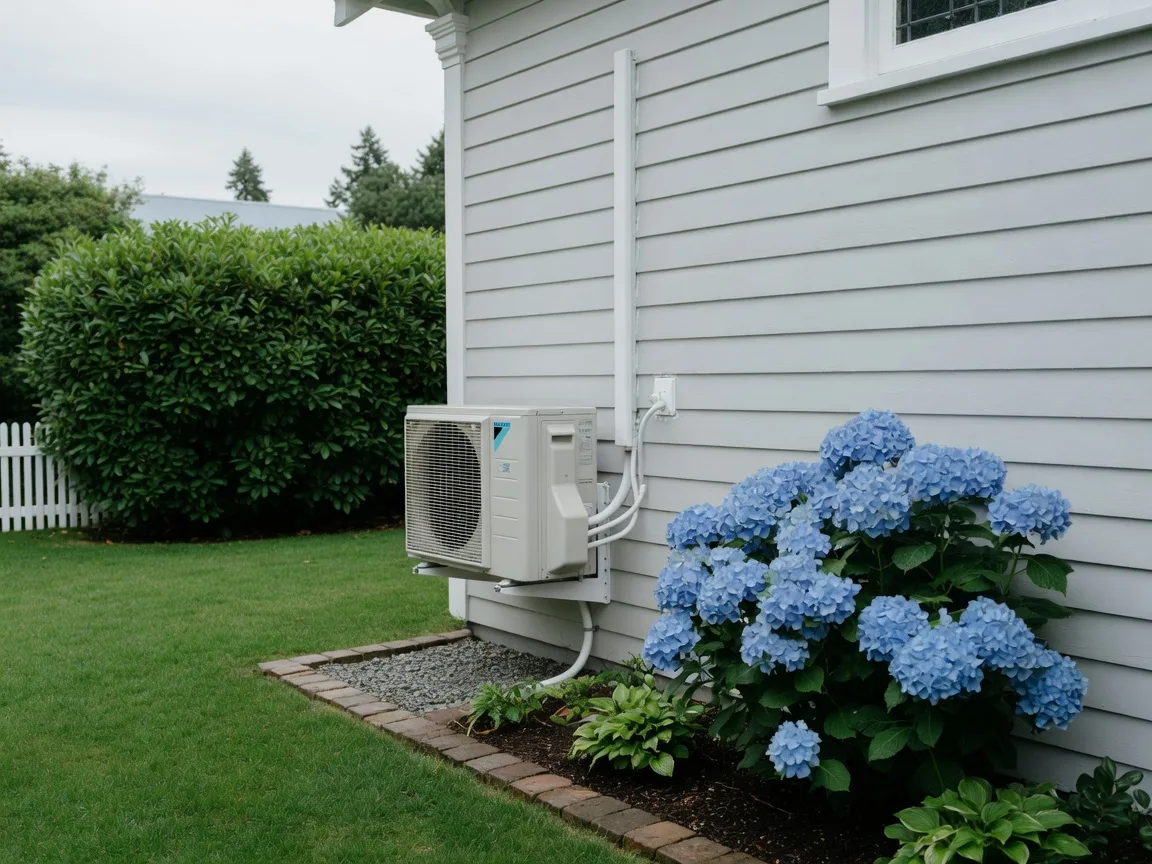
A heat pump can quietly shrink the biggest variable utility bill in a heating-heavy climate, which is why it shows up on so many cost-reduction lists.
Lever 4: Mortgage Helpers
A secondary suite or garden suite rented at market rates, or below market through a provincial incentive program, can change the monthly math in a way no other single step can. It is the mortgage helper idea at its most direct: the rent becomes income that offsets your housing costs every single month, for as long as you own the home.
The key facts to get right: how lenders actually count that income when you qualify, which it matters to read before you budget around it, and what buying a home with an existing suite involves, because the due diligence differs from a plain purchase. Start with our guides on how suite rental income counts toward your mortgage, buying a home with a rental suite, the full secondary suite building guide, and which municipalities make the process easiest versus hardest.
The honest warning that belongs beside this lever: a suite is a relationship with another human who lives on your property, a legal structure with permits and tenancy rules, and real money to build or to buy. It is a powerful lever and it is not a passive one. Readers who want the income version without the landlord life should think about whether the trade is right for them before they build the budget on it.
Lever 5: Programs and Exemptions
British Columbia and the federal government run a genuine patchwork of programs and exemptions aimed at first-time and lower-budget buyers, and the frustrating truth is that the amounts, income caps, and eligibility rules change with budgets and elections. We will not recite current numbers, because they will have moved by the time you read this. Instead, here is what to chase:
- First-time buyer programs. Our first-time home buyer programs guide sorts the federal and provincial options that apply in Victoria.
- Property transfer tax. First-time buyers can claim an exemption in BC, and the threshold details matter. The property transfer tax guide explains who qualifies.
- The BC Home Owner Grant. Most owner-occupied homes qualify for this annual grant against property tax, with a higher amount for seniors and people with disabilities. The details and thresholds are on our home owner grant guide, and they should always be checked against the provincial government's current rates before you plan around them.
The instruction to verify with official sources is not a disclaimer, it is genuinely the right way to use this lever. Five minutes on the BC government site, the BCFSA site, or CMHC's pages, with your specific numbers in hand, is worth more than any recap we could write.
Lever 6: Energy Efficiency
In a heating-heavy climate like ours, the utility bill is one of the quietest and most honest monthly numbers, and it is also one of the most movable. A heat pump plus decent insulation does not just warm the house, it changes the slope of the monthly hydro bill, and rebates for exactly these upgrades have been part of the BC picture for years.
Our guide to heat pump rebates and home energy upgrades covers what the upgrades cost, what the rebate landscape looks like, and what to verify when you shop. The home insurance guide belongs in the same folder, because the home's age and systems drive premium differences too. And if an electric car is part of your future, whether you can charge an EV in a condo or townhouse is a question worth asking before you buy the vehicle or the home.
Lever 7: Rethink the Car
Transport is part of housing cost, full stop. Fuel, insurance, parking, maintenance, and the amortized price of the vehicle itself can rival a bedroom's worth of mortgage, and households rarely add it into the housing spreadsheet. Living somewhere you can walk, bike, or take transit does not just change the commute, it changes the monthly number, which is why the "pricier" walkable address can genuinely cost less per month than the cheaper one that demands two cars.
The honest reads for Victoria: our guide to living without a car in Victoria, how transit actually works here, and commuting by bike. And if the West Shore is on your list, the Colwood Crawl commute guide is the single most important read for that decision, because the commute is a cost that never appears on the mortgage statement.
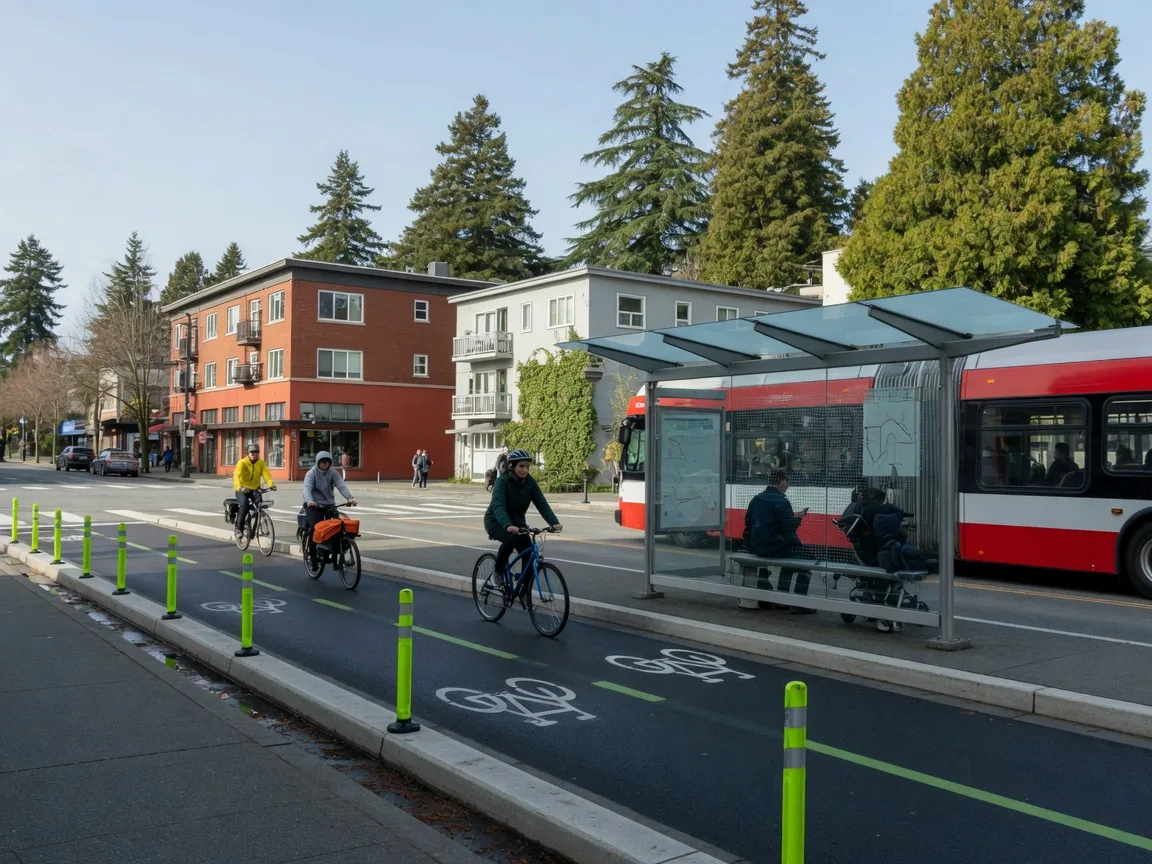
Cutting one car can move the monthly housing number more than many people expect, which is why transport belongs in the housing spreadsheet.
The Monthly Math Worksheet
Here is the simple breakdown we give every client who asks whether they can afford it. Fill it in with your own numbers, and check current rates with your lender, your municipality, your insurer, and BC Hydro when you do:
| Line Item | Your Monthly Number |
|---|---|
| Mortgage (or rent) | $ |
| Strata fees or a maintenance reserve for the house | $ |
| Property tax (after any grants) | $ |
| Insurance | $ |
| Utilities: heat, hydro, water | $ |
| Transport: fuel, transit, parking, car insurance | $ |
| Total monthly cost of home | $ |
And now the honest warning that belongs under every worksheet: moving costs real money, and a new mortgage spans decades, so switching homes purely for cost can eat your short-term savings. Property transfer tax, legal fees, moving, and the break-in period of a new place can easily exceed a year of the monthly savings you were chasing. Before you move for cost, calculate your break-even year: the month when the cumulative savings pass the cumulative cost of the switch. If that year is beyond your horizon, the cheaper move may not be the cheaper decision.
The Other Three Home Wishes
Lower costs rarely sit alone either. The wishing household that wants a lower monthly number is often the same one that wants more space, and a mortgage helper is the classic bridge between the two. Cost pressure is also what pushes families to reconsider location, because the West Shore's cheaper entry is a location decision with a monthly number attached. And outdoor space can genuinely lower monthly costs when the yard replaces gym memberships, weekend drives, and the restaurant habit. For the wider market context behind any of these choices, our Victoria market stats page is the reference.
Let's Run Your Break-Even Number
The best cost conversations we have are the ones where a client brings their worksheet and we fill in the real numbers together: what the suite would rent for, what the tax bill actually is, what the move would cost, and when it would pay for itself. Book a conversation through our calendar, get in touch, and if you already own, start with a free home valuation to see what today's sale price does to your monthly picture.

About the Author
Anna Hakim & Perry Fanthorpe, Happy Homes Team
Anna Hakim and Perry Fanthorpe are AI Certified Agents helping people build lives on Southern Vancouver Island. Perry builds financial roots through mortgage helpers and the real numbers; Anna builds emotional roots through community and belonging. Together they make sure the spreadsheet and the life both work.