Owning a car in Victoria runs most people somewhere from $400 to $600 a month once you stack up insurance, gas, tires and maintenance, and it climbs past $700 if you pay to park downtown every workday. The big three costs, ICBC insurance, fuel and parking, are all public numbers you can check yourself, so the estimate is easy to build honestly. Here is the 2026 breakdown, and then the part people forget, which is what the monthly number does to your house-buying budget.
How Much Is Car Insurance in Victoria in 2026?
ICBC's basic Autoplan rate has been frozen with no increase through spring 2027, the seventh straight year of no increase, which makes insurance more predictable here than almost anywhere else in Canada. Victoria sits in ICBC's territory W, southern Vancouver Island, one of the higher-cost territories in the province, so our baseline is a bit above the cheapest regions.
A clean-record driver typically ends up around $1,200 to $1,700 a year for basic coverage alone, and about $1,600 to $2,000 once you add optional collision and comprehensive, which lines up with the provincial average of roughly $1,830. Young and new drivers pay more, often $2,000 to $3,500 and up, because the driver factor does the talking. Treat those as typical ranges, not quotes, and grab a real number at any Autoplan broker in ten minutes.
Is the Optional ICBC Coverage Worth It?
Optional coverage is where the price actually varies by car. Collision coverage runs roughly $400 to $900 a year, and comprehensive, which covers theft, fire, vandalism, glass and falling objects, about $150 to $350, depending on the vehicle and your record. If you finance or lease, the lender usually requires full coverage, so the insurance line in a car payment is non-negotiable for most new cars.
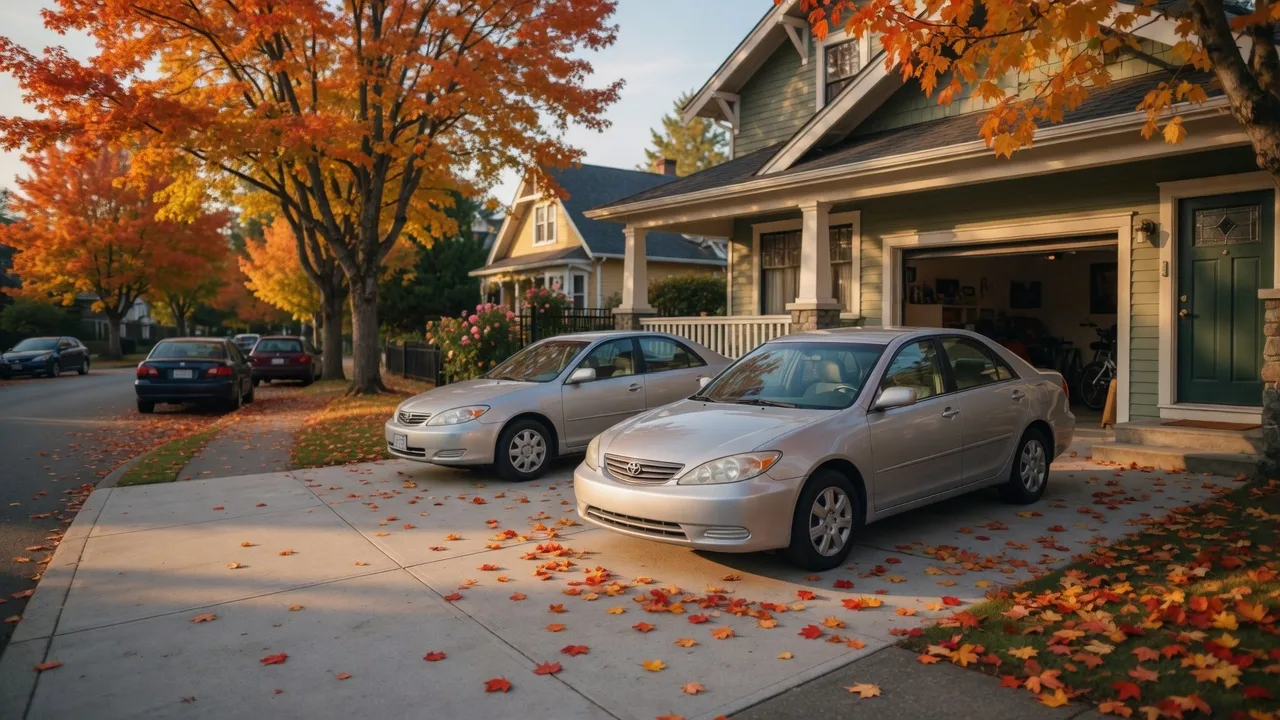
For older daily drivers, the classic local move is to skip collision once the car's value drops below what the deductible would ever pay out, and keep comprehensive for the glass and theft protection. It is a legitimate way to trim a couple hundred dollars a year, and your broker will be straight with you about when it stops making sense. On the housing side, this is where a home with a garage shows up in your insurance math too, insurers like a locked vehicle.
What Does Gas Cost in Victoria These Days?
Regular gas in Greater Victoria has hovered around $1.95 to $2.10 a litre through 2026, and the range is the honest answer, because prices swing with global markets and with what stations on the Pat Bay and the Malahat are doing. BC removed its carbon tax in April 2025, which dropped pump prices noticeably for a while before they crept back up through the year.
Do the math on your own commute: 15,000 kilometres a year at 8 litres per 100 kilometres is about 1,200 litres of fuel, and at current prices that lands right around $200 a month. A hybrid cuts that roughly in half and an electric car changes the whole equation, so if you are weighing the switch, our guide to whether owning an EV is practical in Greater Victoria walks through charging, range and the home-side requirements.
How Much Is Parking Downtown Victoria?
If you work downtown, parking is often the second biggest car cost after insurance. City parkades charge $2.50 an hour with daily maximums of $12.50 to $17.50 depending on the lot, and they are free from 8 p.m. to 8 a.m., all day Sunday and on holidays. On-street meters run $2 to $4 an hour on weekdays and Saturdays, with a cheaper Sunday rate, and they are also free overnight.
Monthly passes downtown start around $100 to $200, which is the real number to use if you are budgeting a five-day commute. Working from home, or living within walking distance of the Galloping Goose or a frequent bus line, can take that line out of your budget without any sacrifice in practice. Our Galloping Goose living guide and our car-free living guide both dig into neighbourhoods where a second car quietly stops paying for itself.
What About the Ferry, Tires and Maintenance?
The Island tax on car ownership is the ferry. Every trip off Vancouver Island, a weekend in Vancouver, a family visit, a flight at YVR, comes with BC Ferries fares on top. Our ferry guide and our car shipping guide break down the real costs, which are higher than most newcomers budget.
Maintenance and tires are the same as anywhere else, with one local twist: the mild coastal climate means winter tires are your choice around town rather than a legal requirement, but you still want them if you regularly cross the Malahat. Our winter tire guide covers the exact dates and rules, and the standard advice applies here as anywhere: set aside roughly a hundred dollars a month for repairs, tires and the inevitable windshield chip.
Why Does This Matter When You Are House Hunting?
Cars and housing are the two biggest lines in most Victoria budgets, and they fight over the same money. A home with a garage, a driveway and EV charging can trim insurance, protect the car, and enable the switch to cheaper fuel. A downtown or walkable neighbourhood lets a household drop the second car entirely, which is a saving of a few hundred dollars a month, every month, for as long as the housing lasts.
When we walk a home with buyers, we count the cars it can actually store, because that is a monthly cost or a monthly saving that follows you for years. Our guide to what kind of home car people need covers garages and workshops, and our lower housing costs guide treats the car line as one of the levers on purpose, because a realistic monthly number belongs in the same spreadsheet as the mortgage.
Get Help Matching Your Budget to a Home
The Happy Homes Team at eXp Realty runs this exact budget math with buyers every week, because the car and the house have to agree before the wallet does. Anna will help you picture the life, commute included, and Perry will tell you honestly which homes protect your vehicles and your monthly cash flow. Bring us your real driving habits, ferry trips included, and we will point you at the neighbourhoods where they cost the least.

About the Author
Anna Hakim & Perry Fanthorpe, Happy Homes Team
Anna Hakim and Perry Fanthorpe are AI Certified Agents helping people build lives on Southern Vancouver Island. Perry builds financial roots through mortgage helpers and investment strategy. Anna builds emotional roots through community and belonging.