
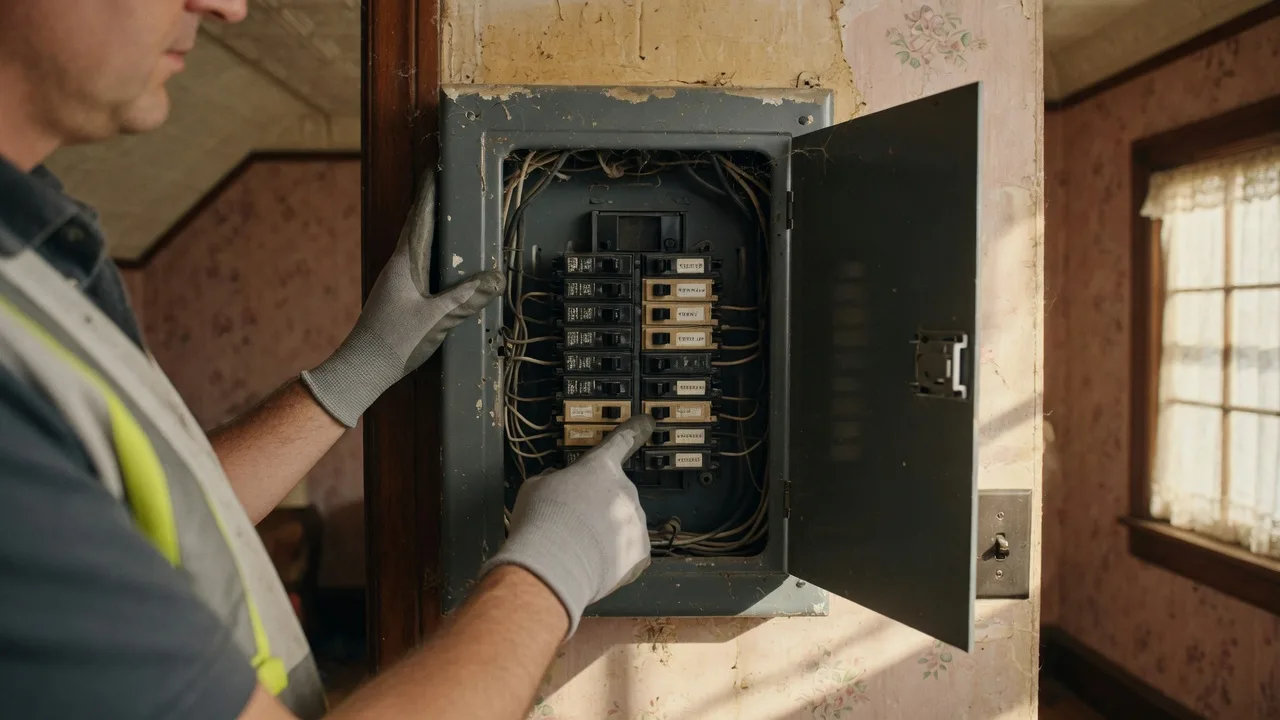
No house is perfect, and every inspection report has something in it. The real skill is telling the difference between findings that are easy fixes, like worn paint, dated fixtures and tired faucets, and findings that should change how you bid, like significant foundation movement, active water intrusion or unsafe electrical. In Victoria's coastal climate, moisture is the theme that runs through almost everything. This guide covers what actually matters, how we read a report at Happy Homes Team, and how to keep your head when the PDF lands in your inbox.
A home inspection is an independent walk-through of a property by a licensed professional who documents its condition from the roof to the crawl space. In a competitive Victoria market, where buyers sometimes feel pressure to waive the inspection subject in order to win a home, that report matters even more, because it can be the only independent check you get before you commit to one of the biggest purchases of your life. We want to be honest about that trade-off, because we have lived it with clients. The goal of an inspection is not a perfect report. It is knowing what actually matters, and walking in with your eyes open.
How We Read Inspections at Happy Homes Team
When a report comes in, we do not forward it with a "let us know what you think" and call it a day. We go through it page by page with you, and we start with the same three questions every time.
First, where is the moisture? In this climate that is always question one, and it stays question one regardless of the age of the home. Second, what is the condition of the systems at the end of their useful life, the roof, the furnace, the hot water tank, the electrical panel? Third, what is the true cost to address the items that are actually flagged, not the sticker price of the repair, but the cost when you also account for how it fits with everything else the report found?
Anna reads the report for what the house needs emotionally as well as practically, how much a fix will disrupt your life, how long the work will take, whether you can live in the home while it happens. Perry reads it for the money, what each line item realistically costs to address, what can wait, and what should absolutely be priced into the offer. Between the two of us, you get a reading that separates the noise from the issues that matter, which is exactly what a good agent should do. We would never dream of just handing over the document.
The Easy Fixes: What Should Never Scare You Off
Here is the thing nobody tells first-time buyers: most of what shows up on a Victoria inspection report is cosmetic, minor maintenance or deferred upkeep, and none of it is a reason to walk away. These are the findings we expect to see on older homes in Fairfield, Fernwood, Oak Bay and all across Greater Victoria, and every single one of them is fixable with time or a modest budget.
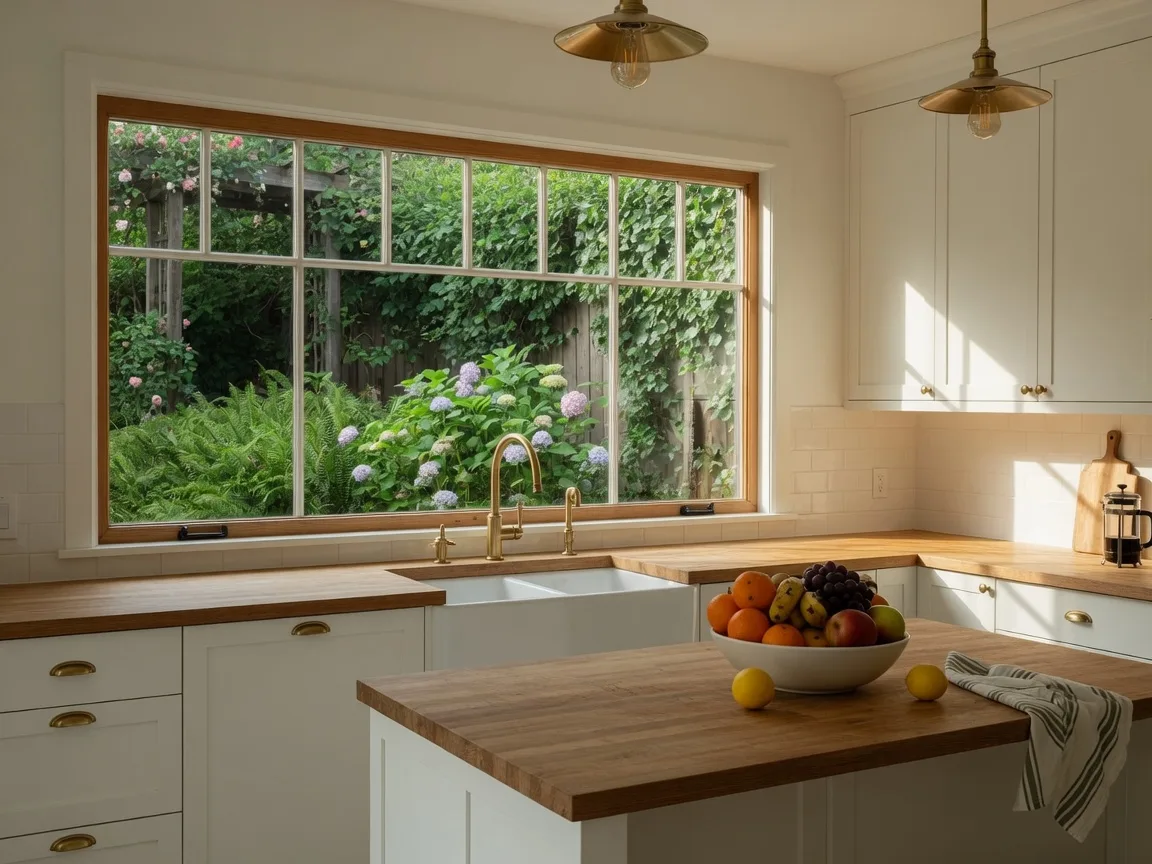
A dated kitchen is a project, not a crisis. Renovated kitchens like this one start as worn-out rooms in many Victoria homes.
- Worn paint and flooring. Peeling exterior paint, scuffed walls, tired carpet. It is the wear of daily life, and a weekend or two of work changes the whole feel of a home.
- Dated fixtures. Old light fixtures, faucets, cabinet hardware and door handles. Swapping them is inexpensive, and an afternoon with a screwdriver does wonders.
- Minor electrical switches and outlets. Cracked cover plates, a switch that works but feels loose, an outlet that has not been updated to grounded. Small, contained electrical items like these are routine work for an electrician.
- Faucets and seals. A drippy kitchen faucet, a worn shower seal, a window that has lost its weatherstripping. Standard maintenance, and the fix is usually measured in hundreds, not thousands.
- Gutters and downspouts. Clogged with fir needles and oak leaves, sagging in one spot, spilling water next to the foundation. Cleaning and re-hanging gutters is inexpensive, and it protects the foundation, so do it early.
- Landscaping and grading tweaks. Soil that slopes toward the house, a downspout that dumps onto a path, overgrown junipers pressed against the siding. A weekend of shovel work or a small landscaping job reroutes water and tidies the yard.
- Minor localized rot that is contained. A soft section of fascia board, a rotted corner on an exterior step, a window sill that needs replacing. When the inspector confirms it is localized and the framing behind it is sound, it is a repair, not a disaster.
- Old but functional appliances. A 2008 fridge that still runs cold, a washer that gets the job done. Budget for replacement down the road and enjoy the lower price today.
The pattern here matters more than any single item. One or two of these in a report means the home has simply been lived in. A report where every checkbox and corner shows neglect, where the maintenance was skipped for years, is a different conversation, because it tells you how the bigger systems were probably treated too.
The Deal Breakers: What Should Change How You Bid
These are the findings that genuinely should change how you negotiate, what you offer, or whether you walk away. We are not saying any one of them kills a deal on its own. Context always matters. What matters is the combination of issues and the true cost to fix them all at once, because that is the number that decides whether a home is a smart buy or a slow drain.
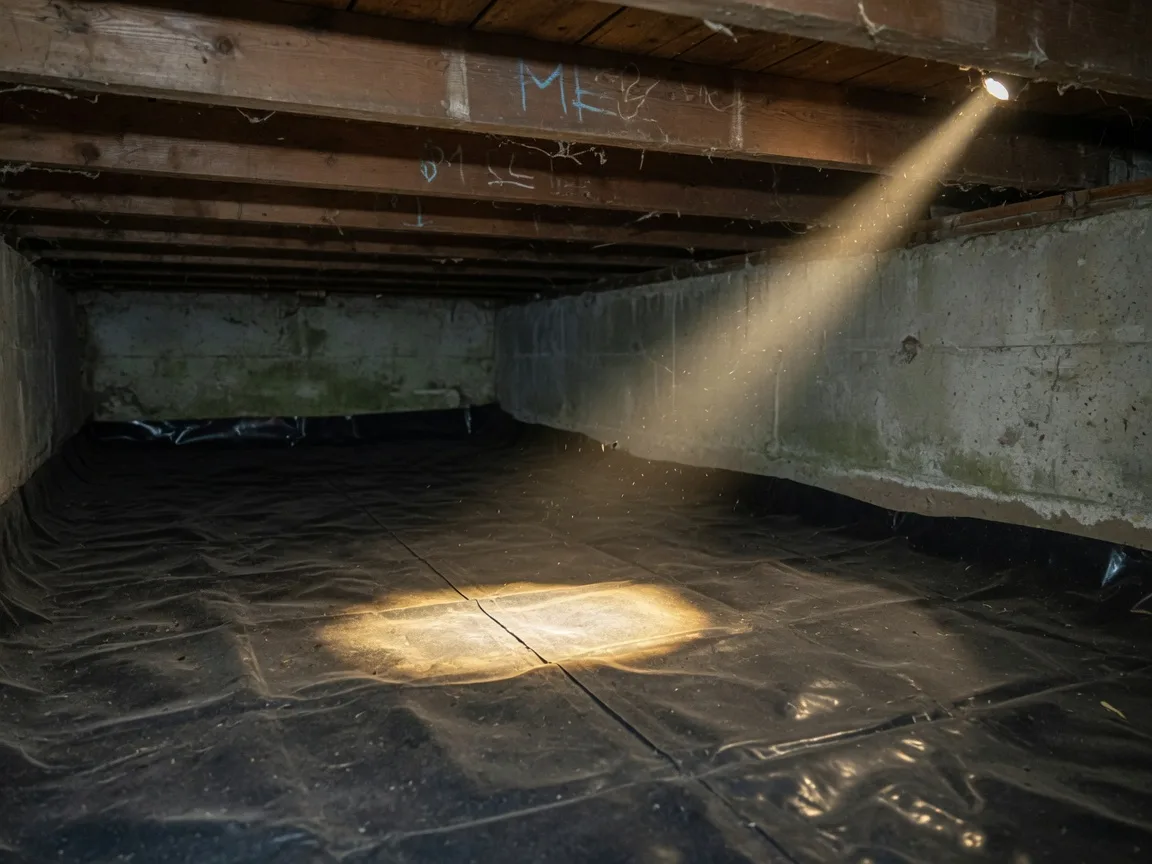
The crawl space tells the true story of a Victoria home. Moisture here shows up in the report as more than a footnote.
- Significant structural or foundation movement. Horizontal cracks in the foundation, bowing walls, a doorway that no longer closes square, floors with serious slope. Structural work is expensive, disruptive and sometimes open-ended. Get a foundation specialist's quote before you commit to anything.
- Active or repeated water intrusion into the living space. Not a damp corner, but a basement or crawl space that takes on water, mould behind walls, or a history of flooding that shows in staining. Water that finds its way in once will find its way in again until the cause is fixed.
- Major unpermitted work. A finished basement, a structural wall removed, a secondary suite added without permits. Unpermitted work can be a negotiation chip, but major structural changes without permits carry real risk, from insurance headaches to the cost of bringing things up to code if you ever sell.
- Knob-and-tube wiring or other unsafe electrical. Pre-1940 homes in Victoria often still carry original wiring, and most insurers will not write a policy on active knob-and-tube. Budget for a full rewire, and check with your insurer before you remove subjects.
- Buried oil tanks. Homes built before the 1970s often had oil furnaces, and tanks were sometimes abandoned in the ground when homes converted to gas or electric heat. A leaking tank means soil remediation, which is one of the most expensive surprises a Victoria buyer can inherit. Ask about the tank, and if there is any doubt, get a sweep done before you remove subjects.
- Severe drainage that threatens the home. A yard that sheds water at the foundation, a retaining wall that is failing, an uphill neighbour's runoff landing in the crawl space. Grading and drainage work is often invisible but expensive, and it is the kind of issue that shows up every rainy season until it is fixed properly.
- Failing systems at end of life on top of other major needs. A roof that is done, a furnace on its last season and a hot water tank that is rusting, all at once. Alone, each is a known cost. Together they are a short list of urgent five-figure bills, and you need to price all of them, not just one.
- Strata-side red flags. For condos and townhouses, the inspection only covers the unit. The strata documents carry the bigger risks, like a pending special assessment for a new roof or an envelope repair. A unit can be in perfect condition while the building around it needs a major levy.
The honest version is this: one issue rarely kills a deal on its own. What kills a deal is the combination, and the true total cost to fix it all, plus the risk that the worst item is worse than the inspector could see. That is why we read reports the way we do, and why the numbers always come before the emotion.
Victoria-Specific Realities: Moisture, Heritage Homes, Insurance and Fixer Uppers
Every market has its local obsessions, and in Greater Victoria it is water. Our coastal climate means rain measured in hundreds of millimetres a year on the city's eastern side, and homes here spend decades quietly absorbing it. Moisture is the number one local theme in virtually every inspection report we read: how the roof sheds it, how the gutters move it, how the grading keeps it away from the foundation, how the crawl space ventilates it. When you read a Victoria report, follow the water.

Character homes carry charm and a specific set of inspection realities. Old wiring, original plumbing and decades of coastal weather all show up in the report.
Character and heritage homes deserve their own conversation. Homes built in the 1910s, 1920s and 1940s are part of what makes Victoria special, but they come with original wiring, original plumbing, and construction details that do not exist in new builds. We wrote a full guide to what it is really like to own a heritage home in Victoria, and the inspection section of that story is worth reading before you fall in love with a Craftsman.
Insurance is the other piece that surprises people. An inspection finding is not just a repair estimate, it can change whether a home is insurable at all, or what it costs to insure. Active knob-and-tube, an old oil tank, a history of water claims, these all show up when you shop for a policy. Our guide to home insurance in Victoria BC walks through what coverage actually depends on, and it is worth reading alongside any inspection report that flags electrical or moisture issues.
And if you are looking at a fixer upper, remember that the inspection report is the raw material for the whole decision. The difference between a smart renovation project and a money pit is rarely the list of issues, it is the accuracy of the cost to fix them. We took a hard look at whether a fixer upper is worth it in Victoria BC, including what the report does not tell you. For the fundamentals of how the process works, from typical costs to how to choose an inspector, start with our companion guide on what a home inspector looks for in Victoria BC. This post is the judgment call on top of that foundation.
Our Trusted Inspectors
Over the years we have built a short list of home inspectors we trust with our own clients, and the list has not changed much. They are the kind of people who know Greater Victoria's builds inside out, who know which older construction methods hide which surprises, who understand our climate quirks better than anyone, and who will give you a straight answer even when it costs a deal.
A great inspector does not sell you anything. They do not offer repairs, they do not soften findings to keep the deal alive, and they do not pad reports with filler. They walk the property like they are buying it themselves, and they talk you through what they find in plain language, right there on site, not just in a 40-page PDF two days later. When you work with us, you get that list, and we will sit in on the inspection with you whenever we can. It is one of the quietest, highest-value things we do.
Your Before You Bid Checklist
Buying in Greater Victoria does not have to feel like a leap of faith. This is the checklist we walk clients through before they commit to an offer:
- Book the inspection, and make it a condition. In a competitive market, protecting your offer is about strategy, not surrender. We wrote a full guide on protecting buyers in a competitive Victoria market that covers exactly how to keep your inspection subject without killing your chances.
- Walk through with the inspector. Be there for the whole inspection. The inspector's running commentary, in person, is worth more than the written report. Ask every question you have while you are standing in the room with the answer in front of you.
- Ask what would cost the most to fix. Not what is most dramatic, what is most expensive. Structural, drainage, electrical panel, roof and foundation items sit at the top of that list for a reason.
- Get quotes for the big-ticket items. A roofing contractor, a foundation specialist, an electrician. A real quote beats an inspector's estimate every time, and it gives you a number you can negotiate with.
- Check the insurance implications. Call an insurance broker before you remove subjects, especially if the report flags old electrical, an oil tank, or any water history. Find out what is insurable and at what cost.
- Let your agent pressure-test the report. This is what we are for. We will tell you honestly whether a finding is normal wear, a fair negotiation point, or a reason to reconsider, and we will not sugarcoat the last one.

Somewhere on a street like this is the home that is right for you. A good inspection report is how you buy it with confidence.
Talk to Us About the Home You Are Considering
If you have found a home you love, or you are about to start looking, we would love to help you read the reports, sort the easy fixes from the deal breakers, and connect you with the inspectors we trust. We have walked through enough Victoria homes to know which findings are neighbourhood noise and which ones are worth paying attention to. Reach out to the Happy Homes Team and we will talk through what to watch for, whether you are bidding this week or just starting to think about it.
And when you are ready for the other side of the journey, the search itself, our guide to searching for a home in Victoria with the Happy Homes Team walks through exactly how we help clients find the right home in the first place. Inspections protect the decision; the search is where the journey begins.

About the Author
Anna Hakim & Perry Fanthorpe, AI Certified Agents with Happy Homes Team
Anna Hakim and Perry Fanthorpe are AI Certified Agents at eXp Realty helping people buy and sell homes across Greater Victoria. Anna reads what clients need before they say it, and Perry makes sure it actually happens. Together they help buyers navigate inspections, offers and closing with honesty, humour and heart.